MENU

s

s

p

p

a

a

c

c

e

e

r

r

e

e

p

p

o

o

r

r

t

t

TYPE

Design, Layout, Illustrations

YEAR

2025

TEAM

Me & Meja Bengtegård, Matilda Ullbrandt & Kajsa Ströby

BRIEF

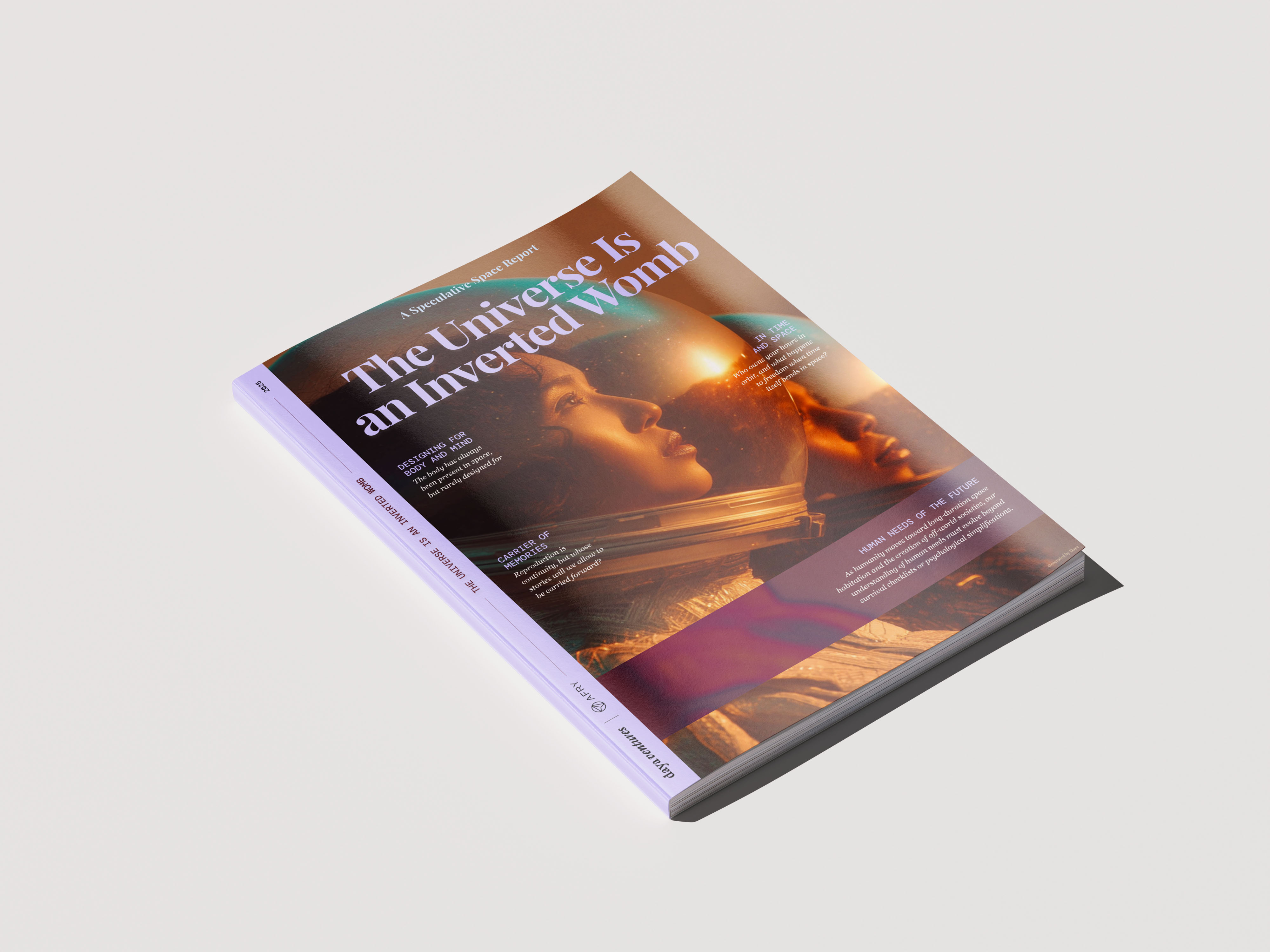
What happens if we bring a woman’s values into space? Would we begin to see space as an ecological system rather than a resource to exploit?

A team from Daya, led by Jennifer Grönqvist, collaborated with Afry to develop a speculative space report from a female perspective. We were brought in to design the report, responsible for the overall layout, as well as creating visual material and illustrations.

The final outcome is a digital PDF, with the possibility of future print production. The project sits at the intersection of speculative design, editorial design, and visual storytelling.

SOLUTION

We approached the report as something more than a traditional publication. Inspired by the idea of a “living document,” we created a dynamic and visually engaging layout that encourages exploration rather than linear reading.


Moving away from conventional report structures, we introduced a more expressive design language, combining bold layouts, rich imagery, and illustrative elements. The goal was to create something that feels intriguing and thought-provoking, aligning with the report’s ambition to challenge its audience.


Given the broad target group across multiple industries, the design intentionally leans into being visually distinctive rather than strictly tailored, allowing it to stand out and spark curiosity across different contexts.

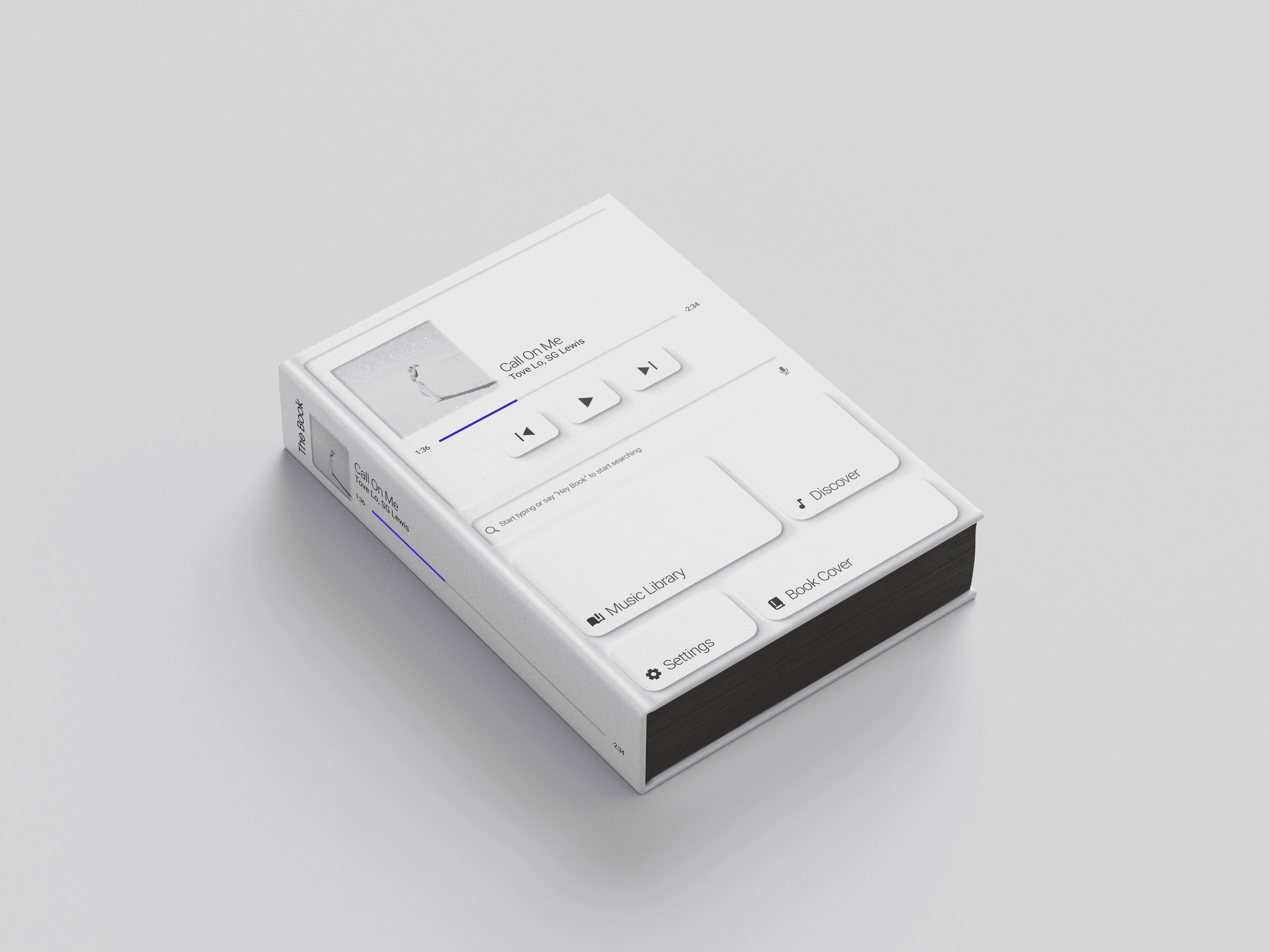
The Book is a smart home product designed as a decorative object that doubles as a music player. Using voice control and AI, it blends seamlessly into your home without disrupting your space. The Book can recognize your music preferences and suggest new tracks based on your taste.

In "Book Mode," it can display different covers, and when you want to interact with it, its design mimics the inside of a book with a paper-like texture, creating a cohesive and organic feel throughout the product.

PROCESS

The project was developed in close collaboration with Jennifer from Daya and a team from Afry, with weekly meetings shaping the direction of the work.


Early on, we built a flexible design system based on grids and recurring components to ensure consistency throughout the report. Each chapter was given its own visual identity, including a distinct color, helping readers easily navigate and understand where they are within the document.


The structure was designed to support non-linear reading, allowing users to dip into sections of interest rather than reading from start to finish.


Drawing inspiration from Japanese editorial design, we focused on creating rhythm and variation across spreads, using imagery and layout shifts to maintain a sense of flow and encourage continued engagement.

I used the iOS 18 design system as the foundation for my project, incorporating key components such as widgets to maintain a familiar and intuitive user experience. This provided a solid starting point for building a cohesive interface.

After establishing the design system base, I created a comprehensive variable system for colors, typography, spacing, and other design elements. This ensured consistency throughout the interface while allowing for customization to match the product's unique identity.

I also prioritized accessibility by implementing WCAG standards throughout the whole design.


I conducted user testing through Maze to validate design decisions and gather feedback on the interface. This helped identify pain points and opportunities for improvement in the user experience.

The design process focused on creating a product that feels like a natural part of the home environment rather than another tech gadget, balancing technological functionality with aesthetic appeal.

c

c

o

o

n

n

t

t

a

a

c

c

t

t